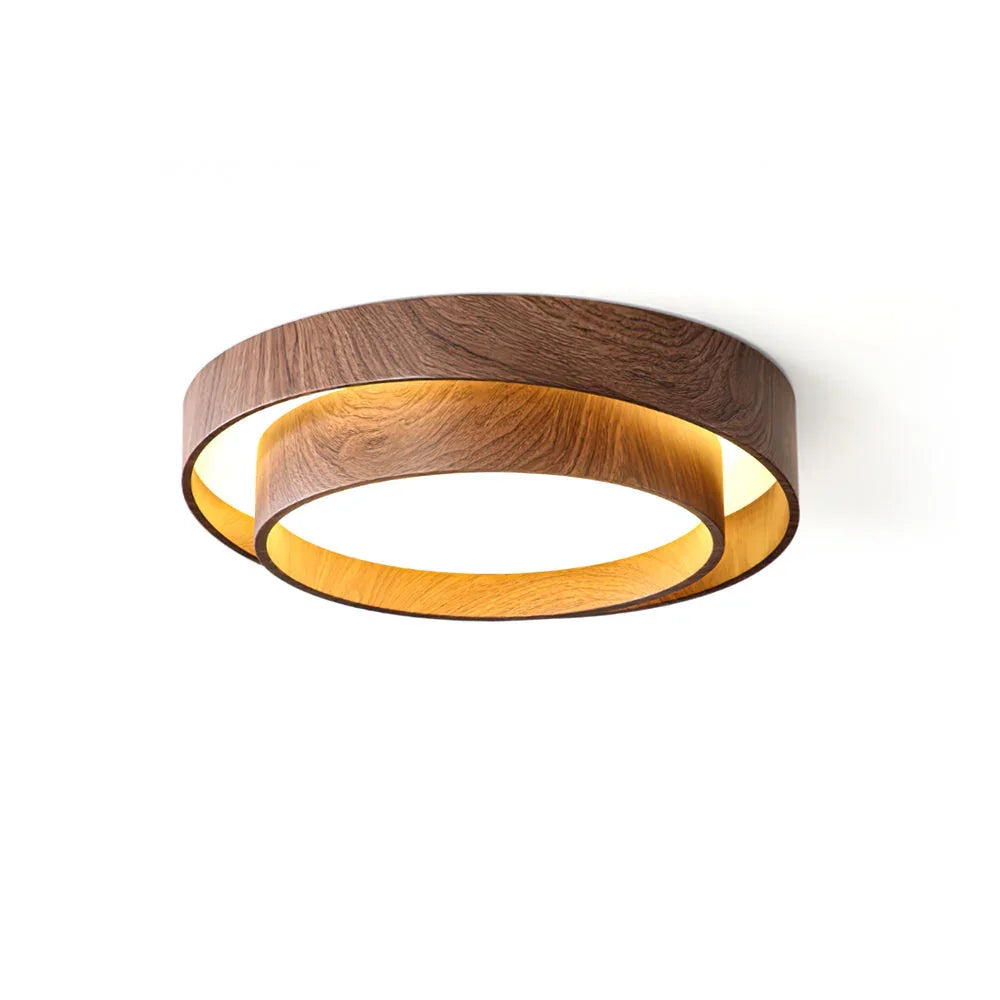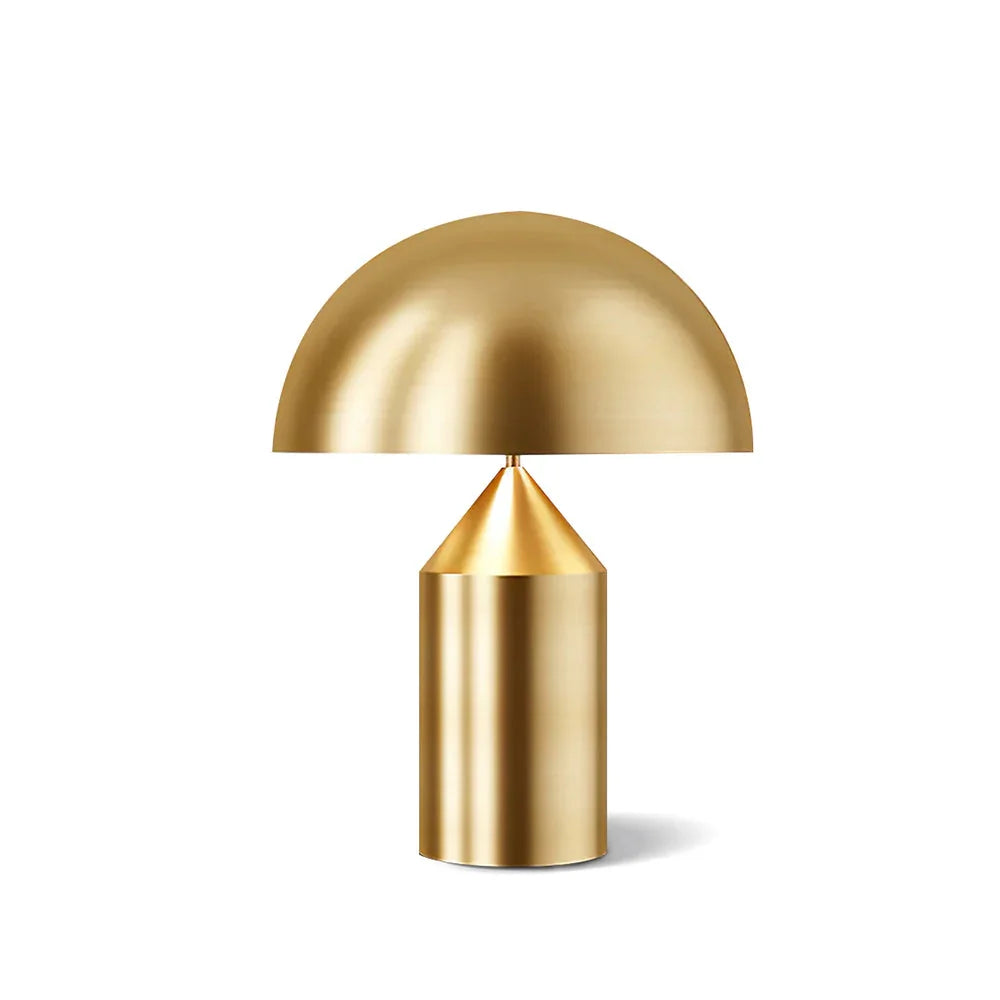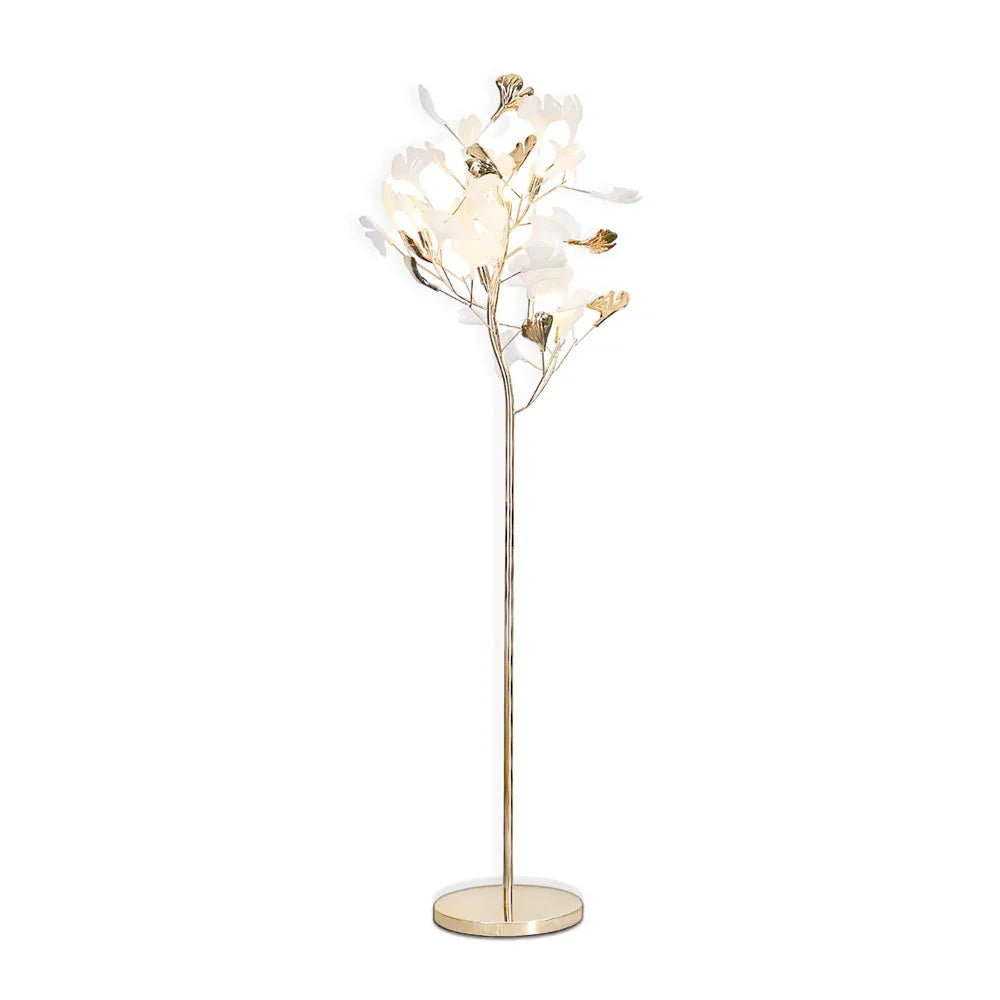
A living room reads best with light at more than one height. A single overhead fixture leaves corners dark and makes the room feel flat after sunset.
Use a ceiling light or a floor lamp for the general layer. Add table lamps beside seating for reading and conversation. Wall lights can frame a sofa, fireplace, or console without taking surface space.
Match the finish in one or two metals rather than mixing every option in the room. Glass and linen shades give a softer pool of light; metal shades direct light more narrowly. Put dimmable lamps on the circuits used in the evening when the specification says the lamp is dimmable.
Walk the room at night before deciding the final pair. The goal is enough light to read in a chair and a lower level for the rest of the room.
Where each layer goes
Put the general light where it can reach the middle of the room: a ceiling fixture, or a floor lamp in a corner the overhead light misses. Table lamps belong next to seats, not in an empty corner. Wall lights work above a console or on either side of a fireplace, where a lamp would take the surface.
One metal, then the bulb
Choose one or two finishes and repeat them. Brass with glass is enough. A third metal usually looks accidental. Use a warm bulb in the evening. Treat a fixture as dimmable only when the product page says it is, and only with a control that matches that listing.
Look at the room after dark with the overhead light off. If you can still read in a chair, the lower layer is doing its job. Browse the living room collection. Light at the bed is a separate problem, covered in bedroom lighting.
Pieces from the collection
A ceiling light, a table lamp, and a floor lamp cover the three heights in a living room. The photographs are the products in the shop.