Restaurant lighting should make food appealing, help guests feel comfortable, and give staff enough visibility to work safely. The right plan depends on the type of service, the room layout, daylight, finishes, and local electrical requirements. This guide explains how to approach lighting decisions before choosing decorative fixtures.
Start with the restaurant experience
A bright daytime café, a relaxed neighborhood restaurant, and a fine-dining space need different lighting experiences. Before selecting fixtures, map out the dining areas, entry, host stand, bar, circulation routes, and service stations. Note where guests read menus, where staff handle food and payments, and which architectural details deserve emphasis.
Build three layers of light
Ambient lighting
Ambient lighting provides the room’s general illumination. It can come from recessed downlights, indirect coves, ceiling fixtures, or a combination. Aim for a comfortable overall impression without relying on a single bright source in the center of the room. The appropriate illuminance should be determined for each space and verified against applicable codes and the project’s lighting plan.
Task lighting
Guests need to read menus and see their meals; employees need clear visibility at workstations, payment counters, and service areas. Task lighting should support these activities without creating glare. Decorative pendants above tables may contribute to task lighting, but their light distribution and mounting height must be checked rather than assumed.
Accent lighting
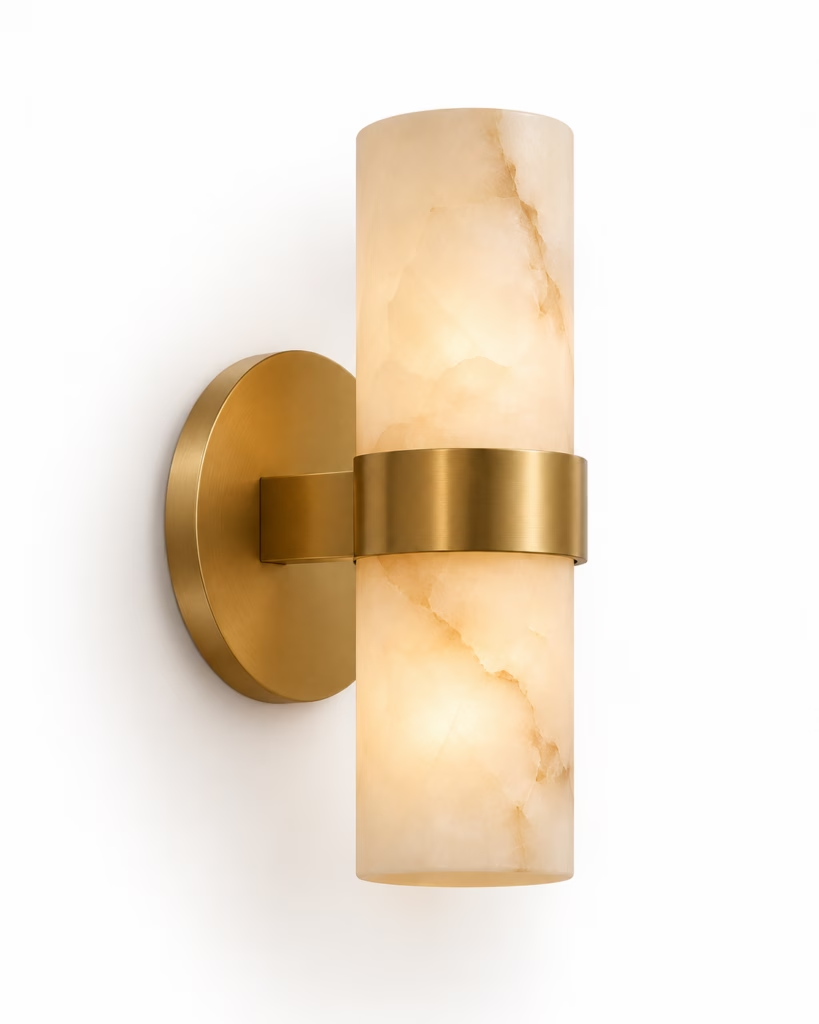
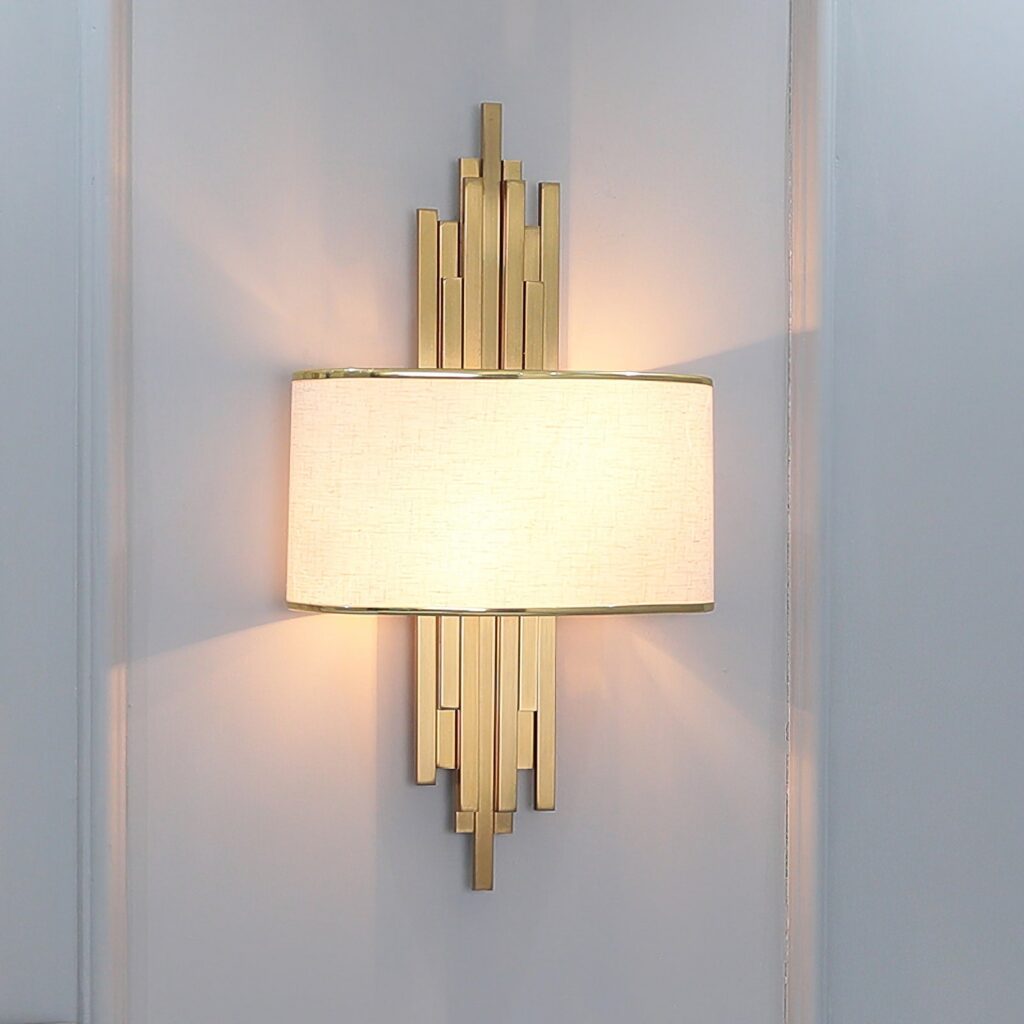
Accent lighting brings attention to textured walls, artwork, banquettes, shelving, or a feature bar. Wall sconces can add visual rhythm along a dining room, while carefully positioned spotlights can highlight materials and details. Avoid placing exposed bright lamps directly in guests’ sightlines.
Choose fixtures by location, not just appearance
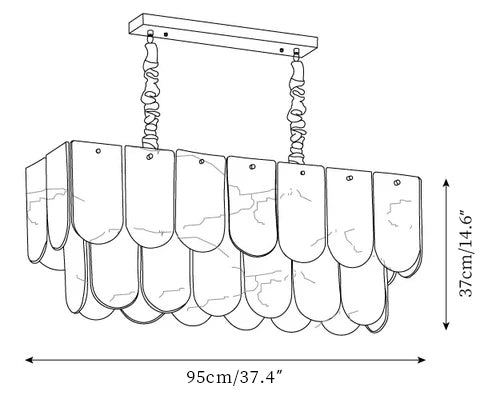
For dining tables, consider the fixture’s diameter, drop, light output, beam distribution, and how it affects conversation across the table. In narrow circulation areas, check head clearance and the risk of accidental contact. Near kitchens, washrooms, or exposed outdoor seating, verify the fixture’s suitability for moisture, cleaning conditions, and the specific installation environment.
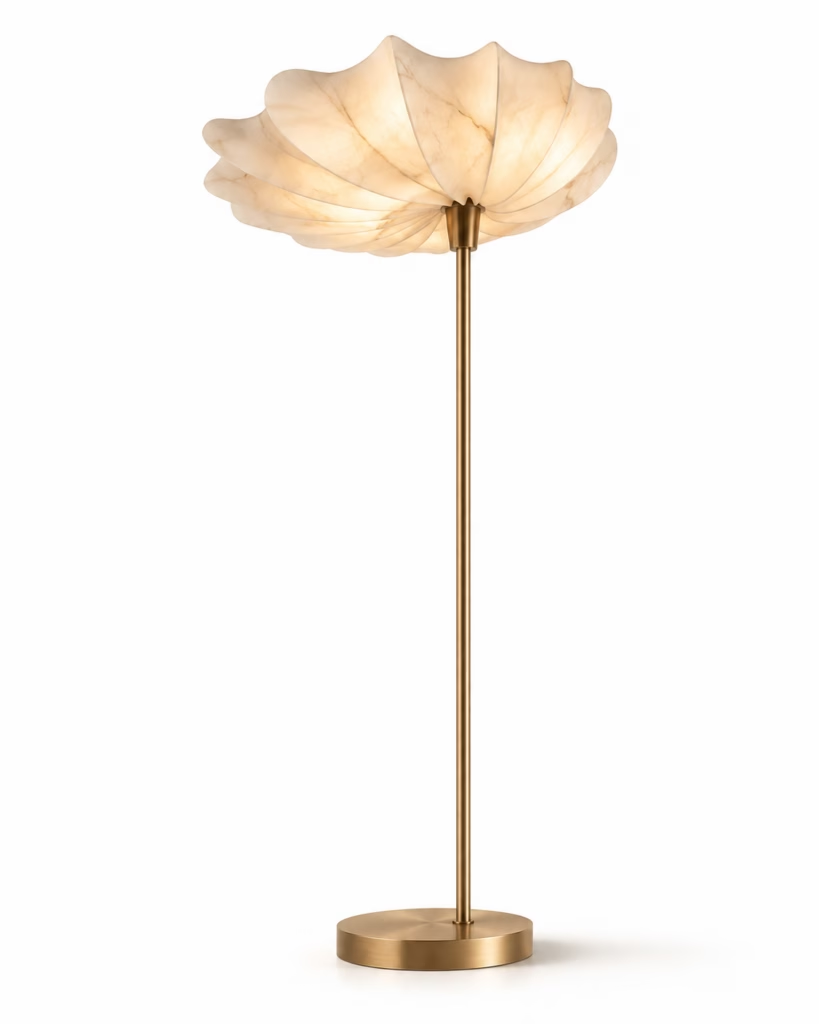
Explore Bruckner Crystal Pendant Lamp as a decorative pendant reference, Laurina Wall Lamp for a wall-lighting reference, and Bates Ceiling Light for a ceiling-mounted reference. These links are starting points for reviewing style and published product information, not a claim that any fixture is approved for a particular commercial installation.
Plan color, dimming, and glare control
Light color changes the way finishes, food, and skin tones appear. Compare sample fixtures under real restaurant conditions rather than choosing solely from a screen. Check the manufacturer’s color-rendering data, lamp or LED compatibility, and whether the complete fixture-and-control system supports dimming. Where the business transitions from lunch to evening service, scene-based controls can help staff adjust the atmosphere consistently.
Glare matters as much as brightness. Review seating positions, reflective tabletops, mirrors, and views toward the bar or open kitchen. A fixture that looks attractive in a catalog can be uncomfortable when the light source is visible from a seated guest’s eye level.
Check scale and installation before ordering
Record ceiling heights, table sizes, fixture mounting points, available electrical supply, and access for maintenance. For large chandeliers, verify fixture weight and structural support. For pendants, coordinate the suspension length with table height and any required clearance. A licensed professional should confirm electrical and building-code compliance where required.
For additional guidance, read Chandelier Size and Hanging Height, How to Read a Lighting Specification, and Plug-in or Hardwired Lighting.
A practical restaurant lighting checklist
- Define the intended mood for each service period.
- Separate dining, circulation, bar, and staff task zones.
- Confirm fixture dimensions, mounting heights, and sightlines.
- Review light distribution, color rendering, glare, and control compatibility.
- Verify environmental ratings, maintenance access, and electrical requirements.
- Check quantities, lead times, and replacement-part availability before ordering.
Need lighting for a hospitality project?
YH Lamps supports residential and commercial lighting enquiries. If you’re planning a restaurant, café, hotel, or other hospitality space, share your drawings, approximate fixture quantities, preferred finishes, and project timeline through our Trade & Projects page. Our team can discuss product options and the information needed to evaluate suitability for your project.