
A brass chandelier can bring warmth and definition to a dining room, entryway or hospitality space. The right choice depends on more than a finish name: scale, ceiling height, lamping, installation and the exact product configuration matter just as much. This guide explains what to check before you order.
Quick answer: What should you look for in a brass chandelier?
Start with five essentials: the actual material and finish, the fixture dimensions, its total hanging height, the light source and electrical rating, and the installation requirements. A visually appealing fixture is only a good fit when it works with the space and the local electrical system.
- Measure the room and the furniture below the chandelier.
- Compare polished, brushed and aged-looking finishes using the exact product photos and finish description.
- Check whether the listed material is solid brass, brass-plated metal or a brass-colored finish; these are not interchangeable.
- Confirm the bulb base, bulb count, power requirements, dimming compatibility and installation method.
- For hotels, restaurants and commercial interiors, confirm the exact product’s safety documentation and project terms before specifying it.
1. Decide on a finish that suits the room
“Brass” describes several different looks. Polished brass usually appears brighter and more reflective. Brushed finishes can feel softer, while antique-style or aged finishes create a more muted appearance. Product photos, surface treatments and the lighting in a room all affect how a finish looks.
If you want a coordinated interior, compare the chandelier with nearby cabinet hardware, wall sconces and furniture details. Exact matching is not always necessary: a consistent warm-versus-cool direction is often more useful than insisting that every metal surface be identical.
Explore the brass lighting selection, then open each product page to check the material and finish offered for that specific version. Do not assume every brass-looking fixture uses solid brass throughout.
2. Get the proportions right before choosing a model
A useful residential starting point for chandelier diameter is to add the room length and width in feet and treat that sum as an approximate diameter in inches. For example, a 12-by-14-foot room suggests a starting point around 26 inches. This is a guideline, not a specification: the shape of the chandelier, the dining table and the surrounding clearance can change the best choice.
For a dining area, centre the chandelier over the tabletop and compare its length or diameter with the table rather than looking at room dimensions alone. Long rectangular tables may work better with a linear chandelier than with a round silhouette. An airy frame can appear lighter than a dense fixture of the same measured width.
Our chandelier size and hanging height guide covers these measurements in more detail. You can also browse chandeliers by style and scale.
3. Plan the total hanging height
Over a dining table, a commonly used starting point is to place the lowest part of the chandelier about 30–36 inches above the tabletop. Measure to the bottom of the actual fixture—not the ceiling canopy—and consider whether it interrupts views across the table.
In an open walkway where people move underneath the light, plan for at least 7 feet of head clearance as a general starting point. Check local requirements and the actual room conditions rather than relying on a generic rule. Low ceilings may call for a semi-flush or compact ceiling fixture instead.
Before ordering, review the body height plus any chain, rod or cable. Ask about the available suspension range if a product page does not provide it, especially for sloped or unusually tall ceilings.
4. Verify the bulb base, controls and installation
Two chandeliers with similar brass finishes can have very different electrical specifications. Compare the bulb base (for example E12, E14, E26 or G9), number of light sources, rated input voltage, included components and whether dimming is supported for the exact configuration.
A dimmable bulb does not automatically make every fixture-and-control combination dimmable. If the specification is incomplete, confirm it before checkout. For a hardwired chandelier, a qualified professional should review the junction box, ceiling support, local code requirements and the fixture’s documentation.
See our lighting specification checklist for a practical review of electrical ratings, dimming, mounting and location suitability.
5. Consider materials, weight and long-term care
Brass surfaces may need different care depending on whether they are lacquered, plated, brushed or untreated. Avoid abrasive cleaners unless the exact manufacturer’s instructions explicitly permit them. Dust with a soft, dry cloth and follow the product-specific care instructions before using moisture or polish.
The weight of a fixture matters, particularly for larger multi-arm chandeliers. Check the assembled weight and mounting requirements for the chosen size. Any chandelier intended for a restaurant, hotel or other commercial project should be assessed for its actual installation environment, including applicable electrical and safety requirements.
A product example: Nason Glass Chandelier
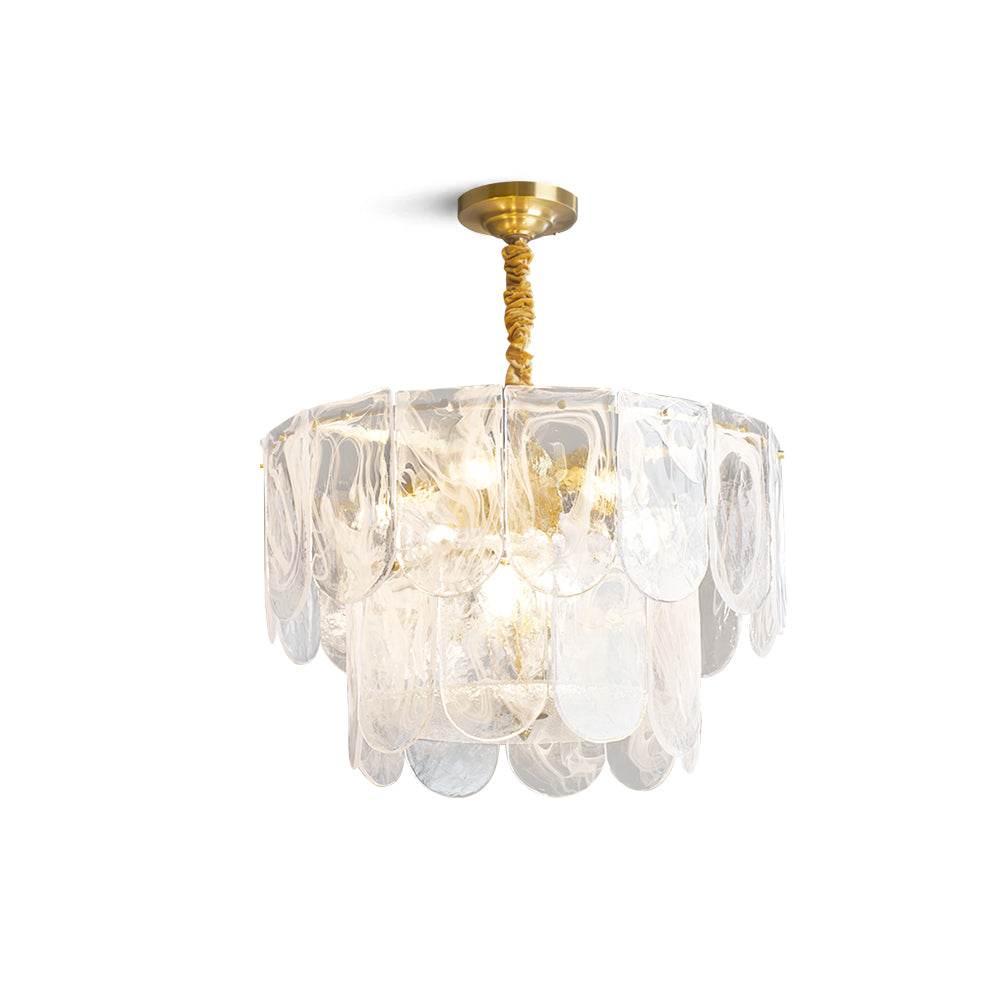
The Nason Glass Chandelier is listed with brass and glass materials and several configurations. Its product information describes versions with different dimensions and bulb counts, which makes it a useful example of why you should compare the selected size rather than treating one product title as a single specification. Verify the chosen version’s details and installation requirements before purchase.
Compare vintage and modern brass chandelier styles
Different designs can share a warm brass look while requiring very different bulbs, clearances and mounting arrangements. These current YH Lamps examples illustrate what to compare before choosing a style:
- Vintage Antique Brass Chandelier: a mid-century-inspired starburst frame with clear glass rods. Its listing offers 8–18 heads and E26/E27 bulbs by configuration; compare fixture diameter and ceiling clearance.
- Antique Brass Chandelier: a classic brass-hoop shape with white linen shades, listed in 3–10-light options. Its E14 bulb specification deserves particular attention for US installations.
- Swedish Modern Brass Chandelier: brass arms, a walnut centerpiece and opaline ceramic shades create a quieter mid-century look. Review the listed 23.6–39.4-inch diameters and the E26/E27 requirements for the chosen size.
- Maltose Chandelier: curved brass arms with clear crystal details, offered in several sizes. The listing specifies E14 bulbs; confirm compatible lamping before ordering.
These are examples, not guarantees of a particular certification or installation suitability. For every fixture, verify the exact size, light source, electrical compatibility, mounting method and availability on the product page. You can also browse our brass lighting selection and chandelier sizing guide.
A quick checklist before ordering
- Room dimensions, table size and required head clearance are measured.
- The chosen finish and materials are confirmed for the exact product version.
- Body dimensions, suspension range, weight and ceiling support are checked.
- Bulb base, bulb quantity, input voltage, dimmer compatibility and included parts are confirmed.
- For commercial work, the supplier and installer have reviewed documentation, lead times and project-specific warranty terms.
Frequently asked questions
Is a brass chandelier always made from solid brass?
No. A product may use solid brass in some components, brass plating on another metal or a brass-colored finish. Read the materials section for the exact model and ask for clarification when the description is ambiguous.
How high should a chandelier hang above a dining table?
About 30–36 inches from the tabletop to the chandelier’s lowest point is a common starting range. Adjust for ceiling height, fixture shape and clear sightlines.
Can I use a brass chandelier in a restaurant or hotel?
Possibly, but commercial suitability cannot be established from appearance alone. Confirm the exact fixture’s electrical documentation, installation requirements, project use, delivery terms and warranty before specification.
How do I keep a brass finish looking consistent?
Follow the care instructions for the actual surface treatment. Avoid assuming that all polished, brushed, plated and aged brass finishes should be cleaned the same way.
Need help choosing lighting for a project?
For an individual room, begin with the measurements and the chandelier collection. For multiple rooms or a hospitality project, visit Trade & Projects and share the floor plans, fixture quantities, location and target schedule so the relevant specifications can be reviewed.
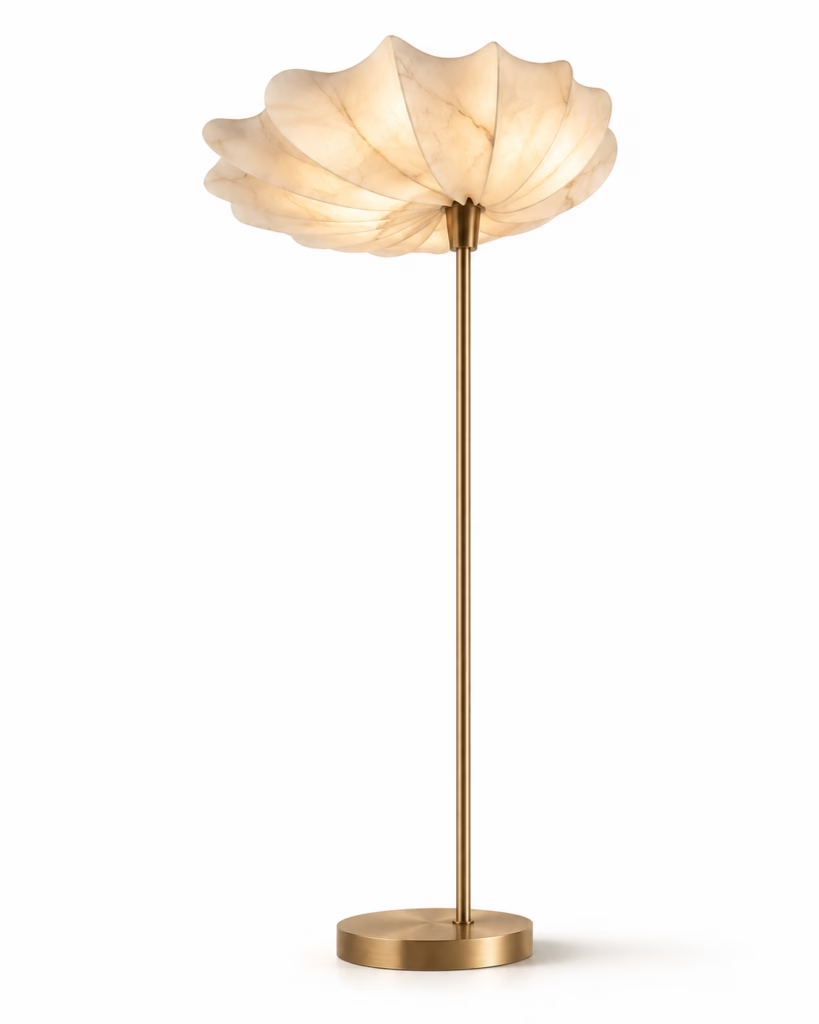
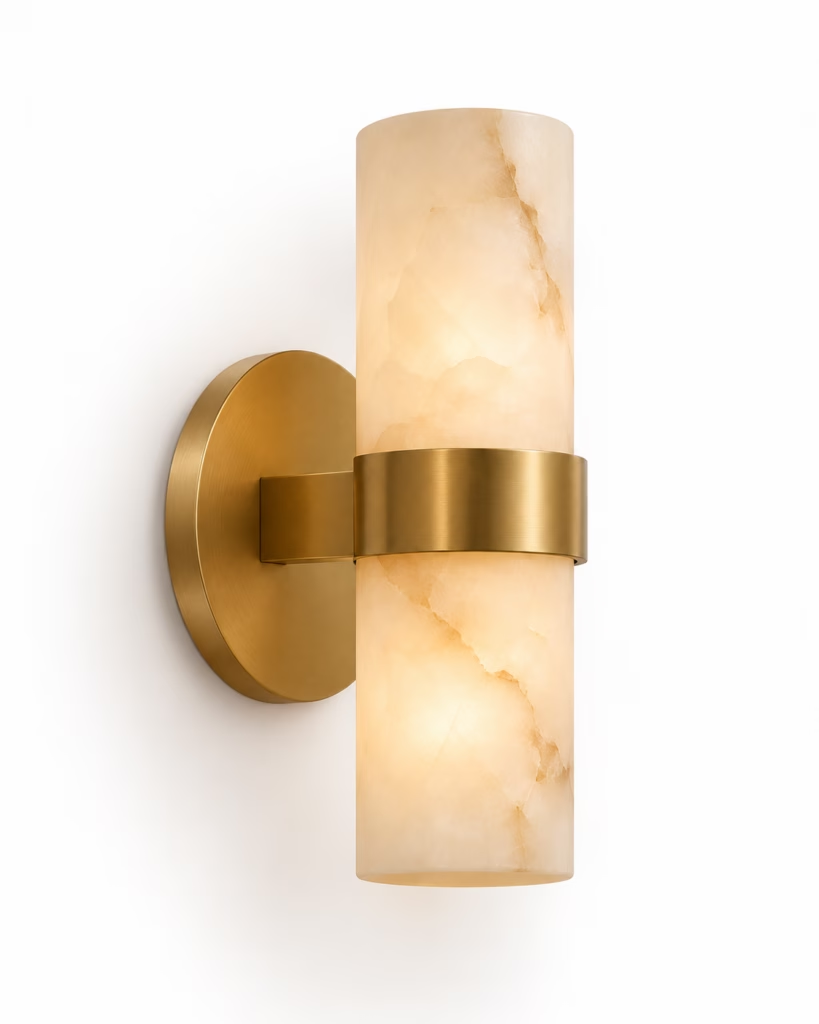
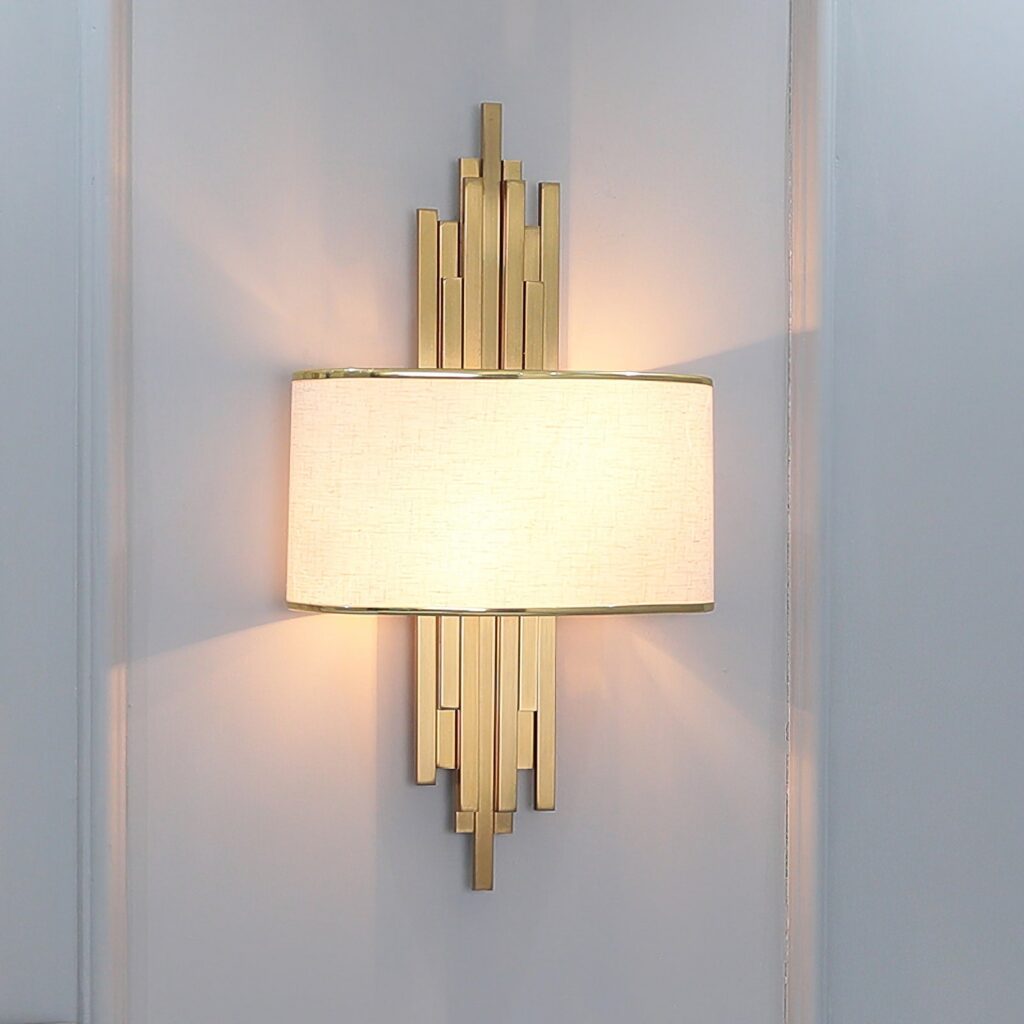
[…] For a real-world example of comparing fixture dimensions, bulb requirements and finishes, read our brass chandelier buying guide. […]
[…] you are comparing warm metal finishes, our brass chandelier buying guide explains material labels, finish choices and what to verify before […]
Comments are closed.